
Introduction
In today’s fast-paced world, efficient group transportation is essential for a variety of occasions, whether it be corporate events, family gatherings, or social outings. Choosing the right vehicle size is critical to ensure comfort, convenience, and cost-effectiveness. The increasing popularity of mini buses, particularly the 13-seater and 23-seater options, is indicative of a shift towards more flexible transportation solutions that cater to diverse group sizes.
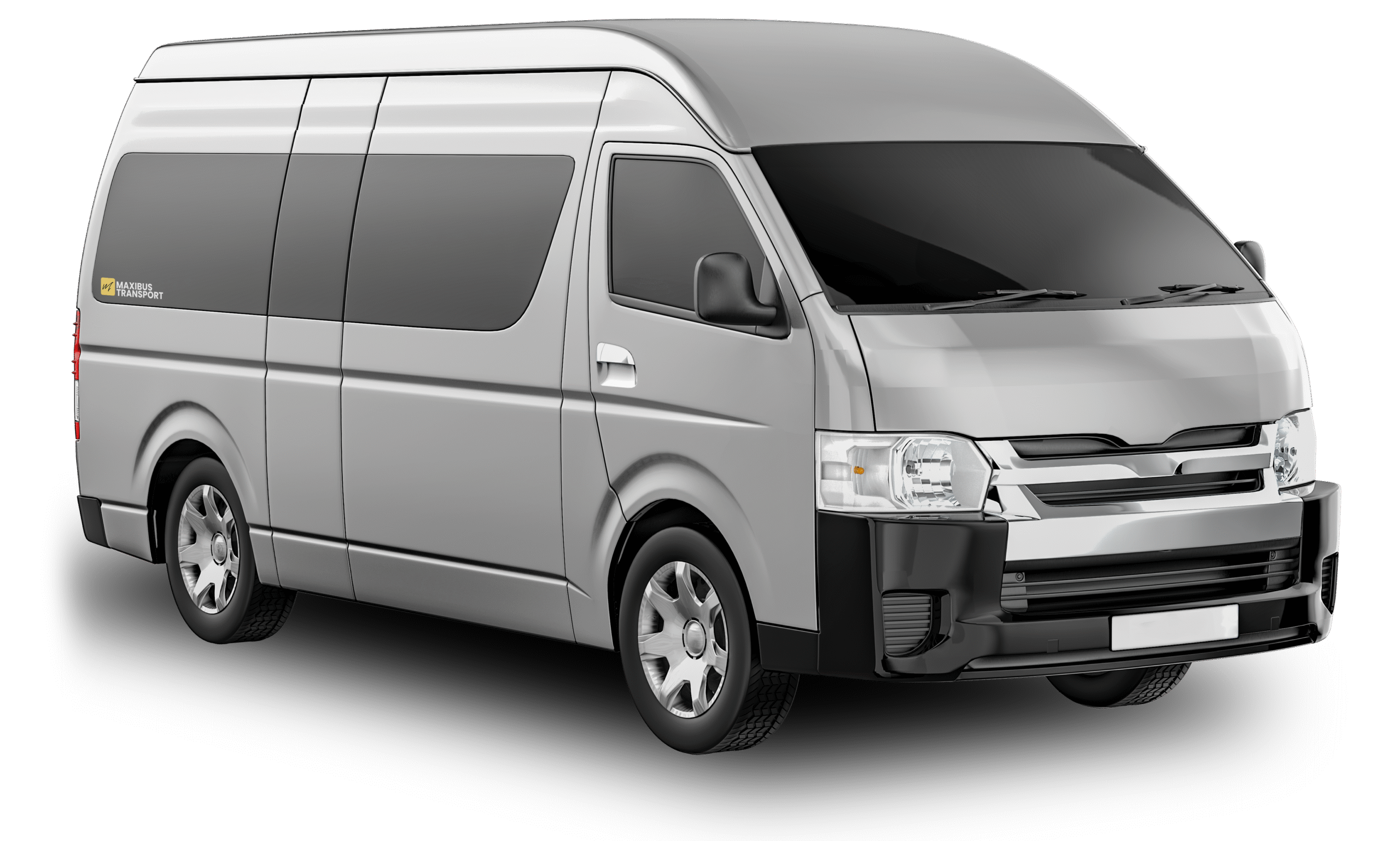
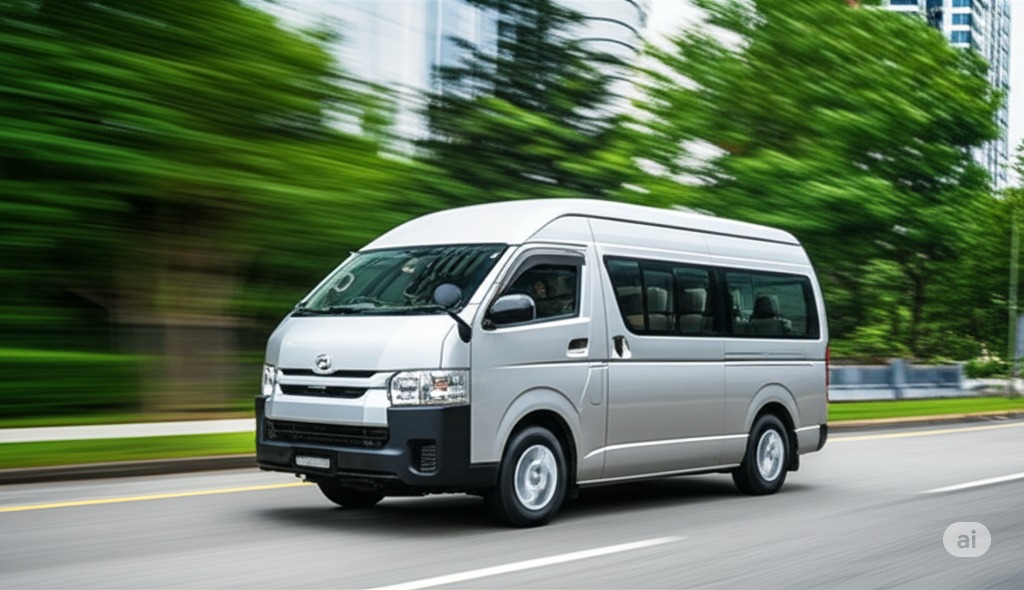
The 13-seater mini bus presents a versatile alternative, ideal for smaller groups that prioritize a more intimate travel experience without sacrificing comfort. Its design and layout allow for easy access and ample space, making it particularly suitable for shorter journeys or special events where interaction is key. On the other hand, the 23-seater bus is often the go-to choice for larger gatherings, providing sufficient room for extended groups. However, this spaciousness may come at the cost of maneuverability and flexibility, making it less adaptable for specific trip types.
As we delve deeper into the comparative benefits of booking a 13-seater mini bus versus a larger 23-seater option, it is important to consider factors such as accessibility, cost, and the overall travel experience. The mini bus, or combi, offers users the chance to engage more personally with fellow passengers, while still providing the essential amenities required for comfort during transit. Additionally, the smaller size of the 13-seater allows for easier navigation through congested urban environments and less hassle when parking.
With these considerations in mind, we invite readers to explore the advantages of opting for a 13-seater mini bus, and how it can enhance travel experiences for various group activities.
Understanding Passenger Capacities
When considering transportation for group travel, one of the most important factors is the passenger capacity. Mini buses, especially a 13-seater and a 23-seater, offer different benefits that cater to various group sizes and needs. A 13-seater mini bus is ideal for smaller groups that require a comfortable yet spacious option without excess capacity. This smaller size results in a more intimate setting allowing better interaction among passengers, which can enhance the overall travel experience.
For instance, when planning an outing for a family reunion or a small corporate team building event, a 13-seater mini bus would be the perfect fit. It not only accommodates all members comfortably but also ensures that the bus is not underutilized, making the journey more economical. In contrast, when utilizing a 23-seater bus for a smaller group, there could be a sense of isolation due to the larger empty spaces. Furthermore, traveling in an oversized vehicle may compromise comfort, as passengers might feel less secure and more disconnected, particularly on longer journeys.
Overbooking a 23-seater bus can also lead to various complications, such as a cramped environment if more passengers join unexpectedly. This lack of appropriate seating can cause discomfort and diminish the overall experience of the trip. Additionally, negotiating road space for a larger vehicle can pose challenges in areas with heavy traffic or limited parking, which is not an issue with a more manageable 13-seater mini bus. Thus, understanding the dynamics of passenger capacity and group size is pivotal when arranging transport, ensuring that the chosen vehicle aligns with the group’s needs for comfort and convenience.
Cost-Effectiveness of a 13-Seater Mini Bus
When considering transport options for a medium-sized group, the choice between a 13-seater mini bus and a 23-seater vehicle can have significant financial implications. The 13-seater mini bus generally presents a more cost-effective solution for various reasons, particularly in terms of rental prices, fuel consumption, and ancillary expenses.
The rental costs associated with a 13-seater mini bus are usually lower than those for a 23-seater bus. This reduction in base rental rate is crucial for budget-conscious individuals or organizations planning events, outings, or corporate transportation. For instance, a quick market comparison may show that a 13-seater mini bus could be rented for approximately 20% less than a larger vehicle, thereby ensuring funds are allocated more efficiently.
Additionally, fuel efficiency is a prominent factor that further enhances the affordability of a 13-seater mini bus. Smaller combustion engines typically found in mini buses consume less fuel per mile compared to the larger engines in 23-seater models. This difference can lead to substantial savings, particularly on long journeys. For example, suppose a trip covering 300 miles is undertaken; the 13-seater mini bus might require significantly fewer gallons of fuel, translating into lower overall costs associated with the journey.
Moreover, operating a larger 23-seater vehicle often incurs additional fees, such as increased tolls or parking charges due to the vehicle’s size. In contrast, a 13-seater mini bus is more maneuverable and can access locations that larger buses cannot, reducing the likelihood of incurring these additional costs. Case studies reveal that small groups consistently save not only on the rental fee but also on the operational costs associated with choosing a 13-seater mini bus. Such evidence underscores the financial advantages of selecting smaller transport options tailored to group size requirements.
Enhanced Comfort and Space
When considering group transportation, selecting the right vehicle is essential for ensuring a pleasant journey. A 13-seater mini bus is often a preferable choice over a larger 23-seater bus, especially when it comes to comfort and spatial considerations. The compact size of a 13-seater allows for personalized space that can significantly enhance the overall travel experience.
One of the primary advantages of a mini bus is its ability to provide a more intimate setting, which facilitates better interaction among passengers. In a 13-seater, the seating arrangement is often designed to maximize comfort, with ample legroom and wider seats that cater to individual needs. Conversely, the configuration of a 23-seater can sometimes lead to cramped conditions, particularly during extended travel periods. Passengers in a larger vehicle may find themselves packed closely together, which can elevate discomfort and reduce the enjoyment of the trip.
Furthermore, smaller buses like the 13-seater mini bus can be equipped with various amenities that contribute to a pleasant ambiance. Features such as climate control, plush seating, and even onboard entertainment systems are more easily incorporated into a compact vehicle, ensuring that all travelers feel at ease. The reduced number of occupants also minimizes noise levels, creating a serene environment conducive to relaxation or conversation. In contrast, a 23-seater maxibus can become noisy and overwhelming with a full load, especially if it includes families with younger children or larger groups.
Ultimately, when planning for group outings or long-distance travel, the decision to book a 13-seater mini bus instead of a 23-seater bus can make a substantial difference in comfort levels. The careful balance of personal space and amenities leads to an enjoyable journey, particularly for passengers who prioritize comfort and a welcoming travel atmosphere.
Ease of Maneuverability and Accessibility
When considering transportation options for groups, the size and type of vehicle can significantly affect the overall experience. A 13-seater mini bus stands out in terms of maneuverability and accessibility when compared to larger options like a 23-seater bus. Due to its smaller dimensions, a mini bus can easily navigate tight urban spaces, winding roads, and rural areas that may be less accommodating to larger vehicles.
The compact size of a mini bus allows drivers to make sharp turns and effortlessly squeeze through narrow streets, making it particularly advantageous for city travel. This aspect not only reduces stress for the driver but also enhances comfort for passengers who might otherwise experience discomfort during prolonged travel on slower or less direct routes. Moreover, a mini bus often possesses a higher degree of accessibility when it comes to parking. Finding a suitable parking spot for a sizeable 23-seater can be challenging in congested city areas, which may lead to added costs or time delays. In contrast, a 13-seater mini bus requires less space and can be parked in standard vehicle bays, providing greater flexibility.
In addition to maneuverability, the adaptability of a mini bus makes it suitable for various destinations, including those that may not be reachable by larger buses. Whether it is for a corporate event, a family trip, or a day out with friends, the ability to access more remote locations can greatly enhance the travel experience. Furthermore, the versatility of a mini bus, sometimes referred to as a combi or maxicab, allows it to cater to a wide range of group sizes while still offering the ease of navigation and accessibility that larger vehicles cannot match.
Thus, when planning group travel, opting for a 13-seater mini bus can prove far more advantageous than renting a larger 23-seater bus, particularly when addressing the practical concerns of maneuverability and accessibility in various environments.
Flexible Itinerary Management
One of the primary advantages of opting for a 13-seater mini bus over a larger 23-seater bus is the flexibility it offers in itinerary management. Smaller groups traveling in a 13-seater vehicle enjoy increased adaptability when it comes to adjusting their travel plans. Unlike larger buses that require more organization due to their size and the number of passengers, a mini bus can swiftly navigate through more confined or congested areas, making it easier to change routes, schedule spontaneous stops, or even explore unplanned attractions.
This flexibility is particularly advantageous during group outings, where various interests may lead to divergent desires among passengers. For instance, in a situation where certain members of the group wish to visit a local café or a scenic viewpoint on the way to the primary destination, a mini bus can seamlessly accommodate these requests without significant delays or logistical challenges. Such impromptu decisions can lead to a more enjoyable travel experience, as individuals have the opportunity to engage in activities that appeal to them personally.
Furthermore, smaller vehicles like a combi or maxicab enhance communication among passengers, allowing for easier discussions regarding travel preferences. The intimate atmosphere of a 13-seater mini bus fosters collaboration when planning activities throughout the journey. It becomes less cumbersome to reach a consensus on where to stop or how long to stay at each destination, ultimately enriching the travel experience for the entire group.
Moreover, the versatility of a mini bus complements the demands of modern travel, where plans can change at a moment’s notice. Being able to swiftly adapt without significant hurdles makes group outings not just manageable but also enjoyable. Therefore, for those seeking the ultimate convenience in travel, choosing a 13-seater mini bus could be the key to unlocking a more spontaneous and enjoyable adventure.
Safety Considerations for Smaller Groups
Traveling in a 13-seater mini bus, as opposed to a larger 23-seater bus, can significantly enhance safety considerations for smaller groups. One of the primary advantages of a mini bus lies in its compact size, which allows for easier maneuverability and handling on various road types. This aspect not only makes driving less stressful but also contributes to better stability, particularly on winding or crowded streets. With fewer passengers on board, drivers are able to maintain a heightened level of attention, as their focus can be directed towards the road and the immediate driving environment, rather than managing a larger group of individuals.
In emergency situations, smaller vehicles like a 13-seater combi or maxicab facilitate swifter evacuation processes. The limited number of seats means that passengers can exit the vehicle more quickly and efficiently, which is crucial in a crisis. In contrast, a larger 23-seater bus may pose challenges in ensuring that everyone disembarks safely and promptly. The layout of smaller mini buses is often designed for optimal escape routes, thereby contributing to overall passenger safety.
Moreover, smaller buses often comply with stringent safety regulations that are specifically tailored for mini buses, ensuring that factors such as seatbelt systems, safety features, and emergency equipment are adequately managed. Many 13-seater models come equipped with advanced safety technologies, including anti-lock braking systems and traction control, which can be particularly advantageous when managing different driving conditions. By opting for a mini bus, groups can benefit from a vehicle that not only meets safety standards but also provides a comfortable and secure travel environment for all passengers.
Eco-Friendly Transportation
Choosing the right vehicle for transportation needs is not just about capacity; it also plays a significant role in environmental impact. Mini buses, particularly the 13-seater option, offer substantial eco-friendly benefits when compared to larger 23-seater buses. One of the primary advantages of smaller vehicles is fuel efficiency. The 13-seater mini bus consumes less fuel per passenger compared to its larger counterpart, effectively lowering greenhouse gas emissions. This makes the mini bus a more sustainable choice for group travel, as it can accommodate a decent number of passengers while utilizing less energy.
Reduced emissions are a crucial component in combating climate change. The operational efficiency of a 13-seater mini bus contributes to a lower carbon footprint. When considering extensive travel, smaller vehicles such as combis and maxicabs generate fewer pollutants, making them more appealing to eco-conscious travelers. This aligns with the growing movement towards environmentally responsible choices. With an increase in urbanization and environmental awareness, the demand for greener transport solutions is on the rise, further emphasizing the importance of opting for a mini bus over larger vehicles.
The transition to smaller vehicles has wider implications for urban mobility. When more people choose 13-seater mini buses or maxibuses for short trips or group travel, it not only alleviates traffic congestion but also helps minimize air pollution in urban areas. These compact buses facilitate easier navigation through narrow streets, contributing to a more efficient transport system. As cities continue to grow denser, adopting the use of mini buses over larger options will be imperative in promoting sustainable and eco-friendly transportation solutions.
Conclusion: Making the Right Choice
When deciding between a 13-seater mini bus and a 23-seater bus, it is crucial to assess the unique requirements of your group. A 13-seater mini bus, also known as a combi, offers distinct advantages for smaller groups or those who prefer a more intimate travel experience. With fewer passengers, a mini bus can provide a higher level of comfort, making it an ideal choice for family trips, corporate events, or leisure outings where space and personal comfort are prioritized.
Additionally, budget considerations play a pivotal role in this decision-making process. A 13-seater mini bus typically comes at a lower rental cost than a 23-seater bus, making it a more economical option for smaller groups. Furthermore, the reduced size of a mini bus allows for easier navigation through urban environments, providing flexibility in routing and parking that larger vehicles may not have. With these factors in mind, your overall travel experience can be significantly enhanced, as you avoid the stress and logistical challenges often associated with larger vehicles.
Comfort and convenience are essential components of any successful trip. The cozy environment of a 13-seater provides passengers with the opportunity to socialize freely and enjoy their journey together. On the other hand, larger buses, such as a maxicab or maxibus, while suitable for vast groups, can lead to feelings of discomfort due to the sheer number of passengers sharing the space. It is important to consider the dynamics of your group when selecting the appropriate mode of transportation.
Ultimately, when it comes to choosing between a 13-seater mini bus and a 23-seater bus, understanding the specific needs of your group is paramount. Evaluating aspects like group size, budget, and desired comfort ensures that you make an informed choice that caters to the preferences of all participants. A well-considered decision will undoubtedly contribute to a more enjoyable and memorable travel experience.